Global Marketing Meaning In English And Its Significance
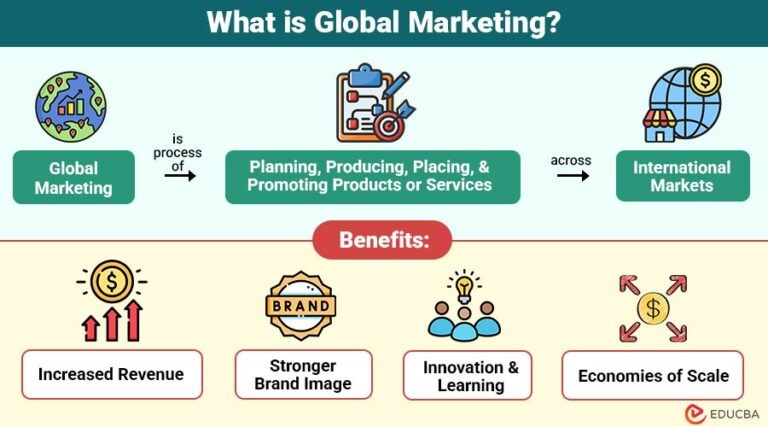
Global marketing meaning in English encompasses the strategies and practices used by businesses to promote their products and services across international borders. In today's interconnected world, understanding global marketing is essential for companies looking to expand their reach and connect with diverse audiences.
This approach to marketing goes beyond traditional domestic strategies, requiring an awareness of cultural differences, digital advancements, and legal considerations. By examining the various types of global marketing strategies and their implications, businesses can effectively navigate the complexities of international markets.
Understanding Global Marketing
Global marketing is a critical component of the modern business landscape, where companies aim to sell their products and services across international borders. The significance of global marketing lies in its ability to tap into new markets, diversify risk, and maximize profit potential. In an increasingly interconnected world, businesses must recognize that consumer preferences, competition, and market dynamics can vary significantly from one region to another.One of the key elements that differentiates global marketing from domestic marketing is the consideration of a diverse range of factors, such as cultural nuances, economic conditions, and regulatory environments.
While domestic marketing primarily focuses on a single market, global marketing requires a broader approach that accommodates various consumer behaviors and market trends. Companies often employ various global marketing strategies, including market entry strategies, branding approaches, and promotional tactics tailored to different regions.
Global Marketing Strategies
There are several strategies businesses can employ in global marketing, which can generally be categorized into two main approaches: standardization and adaptation. Standardization involves using a uniform marketing strategy across different markets, while adaptation tailors the marketing mix to suit local tastes and preferences.
- Standardization: This approach allows companies to maintain a consistent brand image and messaging globally. For example, Coca-Cola utilizes standardized branding and advertising across many countries, ensuring that its core message remains the same.
- Adaptation: On the other hand, McDonald's is known for adapting its menu according to local cultures and preferences. In India, for instance, the menu features vegetarian options to cater to cultural dietary restrictions.
Market research plays a vital role in developing effective global marketing strategies. Companies must understand local consumer behavior, cultural norms, and competitive landscapes through thorough research. This process involves analyzing market trends, surveying potential customers, and studying local competitors to create targeted marketing campaigns.
Cultural Considerations in Global Marketing
Cultural differences have a significant impact on global marketing campaigns. Understanding local customs, values, and languages is crucial for crafting messages that resonate with target audiences. A campaign that is successful in one country may fail in another due to cultural misunderstandings.For instance, the infamous launch of the Chevrolet Nova in Latin America is a classic case of a cultural faux pas.
The name "Nova" translates to "doesn't go" in Spanish, which contributed to its poor sales in the region. In contrast, companies like Dove have successfully launched campaigns that celebrate diversity and inclusivity, resonating well with global audiences.To effectively incorporate cultural elements into global marketing efforts, businesses should invest in cultural research, which involves studying local traditions, social norms, and consumer preferences.
Engaging local experts and conducting focus groups can provide invaluable insights that enhance marketing effectiveness.
Digital Transformation in Global Marketing
Digital technology has revolutionized global marketing practices, enabling businesses to reach a wider audience than ever before. Social media platforms, search engines, and content marketing have become essential tools for engaging customers across the globe.The importance of social media in reaching global audiences cannot be overstated. Platforms like Facebook, Instagram, and Twitter provide businesses with a direct line of communication to consumers, facilitating real-time engagement.
Content marketing, through blogs and videos, helps brands tell their story and connect with audiences on a personal level.Tools such as Google Analytics and social media management software allow companies to track performance, adjust strategies, and optimize their marketing efforts. These technologies enable data-driven decision-making, ensuring that marketing campaigns are both effective and efficient.
Legal and Ethical Considerations
Entering foreign markets comes with various legal challenges that companies must navigate. Regulatory compliance, intellectual property protection, and trade laws are just a few of the complexities businesses face when expanding internationally. Understanding the legal framework in different countries is essential to avoid costly penalties and ensure smooth operations.Ethical issues can also arise in global marketing. Companies may face scrutiny over labor practices, environmental sustainability, and cultural appropriation.
For example, the backlash faced by fashion brands accused of cultural appropriation highlights the importance of sensitivity to cultural contexts.Best practices for ensuring compliance with international marketing regulations involve thorough research on local laws and working with legal experts familiar with the specific markets. Developing a robust ethical framework that aligns with corporate values can also help guide decision-making in global marketing efforts.
Measuring Success in Global Marketing
Key performance indicators (KPIs) are essential for evaluating the effectiveness of global marketing campaigns. Metrics such as market share, customer acquisition cost, and return on investment (ROI) provide insights into campaign performance.To assess the impact of marketing efforts, businesses should create a framework that Artikels specific goals and benchmarks. This framework could include tracking sales growth, customer engagement levels, and brand awareness metrics.Methods for conducting market analysis and measuring ROI in international contexts involve leveraging data analytics tools, conducting surveys, and analyzing sales performance across different regions.
By understanding which strategies yield the best results, companies can refine their global marketing approaches for greater success.
Outcome Summary
In summary, grasping the global marketing meaning in English allows businesses to harness the power of international markets. By integrating cultural insights, leveraging digital tools, and adhering to ethical standards, companies can craft marketing campaigns that resonate globally, ensuring success in their endeavors.
Top FAQs
What is the difference between global and domestic marketing?
Global marketing focuses on international markets and requires strategies that consider cultural differences, while domestic marketing is limited to local markets.
How does culture affect global marketing?
Cultural differences can impact consumer preferences and behaviors, making it crucial for marketers to tailor their campaigns to fit local customs and values.
What are some common global marketing strategies?
Common strategies include standardization, where a uniform marketing approach is used, and adaptation, where marketing is tailored to meet local tastes and preferences.
Why is digital transformation important for global marketing?
Digital transformation enhances reach and engagement with global audiences, making social media and online content crucial for successful marketing efforts.
What are key performance indicators (KPIs) in global marketing?
KPIs in global marketing may include metrics like market share, customer acquisition costs, and return on investment (ROI) specific to international campaigns.