digital marketing

Brand Market Korea Unveiling Opportunities and Trends

Brand market korea is an intriguing arena where tradition meets modernity, offering a unique landscape for brands to navigate. In this vibrant market, understanding the cultural nuances and digital dynamics is essential for success. As we delve into the current state of branding in Korea, key players, and consumer trends, we uncover the strategic elements shaping brand identities and engagements in this captivating region.

The exploration reveals how cultural influences and innovative digital marketing strategies play a pivotal role in establishing strong brand presences. With the rising significance of sustainability and localization, brands have a wealth of opportunities to connect authentically with the Korean audience, reflecting a blend of age-old values and contemporary aspirations.

Brand Landscape in Korea

The brand landscape in Korea is vibrant and constantly evolving, driven by a mix of cultural influences, technological advancements, and shifting consumer preferences. In recent years, brands have had to adapt quickly to remain relevant in a competitive market that values innovation and authenticity. Understanding the current state of branding in Korea provides insights into the strategies that key players employ to capture consumer attention.Korean brands, alongside international players, are employing various strategies to engage with consumers.

Notable companies such as Samsung, LG, and Hyundai have established themselves as key market leaders. These brands focus on innovation, quality, and a deep understanding of consumer needs, which reflects their market strategies. Recently, there’s been a noticeable trend in consumer behavior where younger generations seek brands that align with their values, such as sustainability and social responsibility.

Key Players and Strategies

Several key players dominate the Korean market, each with unique strategies that cater to local consumers. Here are some examples:

  • Samsung: Focuses on cutting-edge technology and strong branding that emphasizes quality and innovation.
  • LG: Leverages its reputation for home appliances to create a lifestyle image, appealing to both functionality and aesthetics.
  • Hyundai: Implements aggressive marketing strategies that highlight sustainability and advanced technology in their vehicles.

The consumer trend toward valuing experiences over products has prompted brands to create immersive and interactive marketing campaigns that resonate with their audience.

Cultural Influences on Brand Perception

Korean culture plays a significant role in shaping brand identities, where traditional values coexist with modern influences. Brands that understand and respect cultural nuances tend to be more successful. The integration of traditional motifs in branding and marketing strategies can create a sense of familiarity and trust among consumers.Successful localization strategies by international brands, such as McDonald's and Starbucks, highlight the importance of adapting to local tastes and preferences.

For instance, McDonald's offers menu items like the Bulgogi Burger, which caters to local flavors and enhances brand acceptance.

Role of Traditional Values and Modern Influences

Traditional values, such as family and community, are central to Korean society and influence consumer preferences. Brands often highlight these values in their messaging to create emotional connections with their audience. Modern influences, particularly from K-pop and Korean dramas, impact trends and consumer behavior, leading brands to incorporate popular cultural references in their marketing campaigns.

"Brands that resonate with Korean consumers do so by blending tradition with contemporary culture, establishing a unique identity that feels both familiar and innovative."

Digital Marketing Strategies

In today's digital age, effective digital marketing strategies are crucial for brands entering the Korean market. With a tech-savvy population, understanding the digital landscape is essential for successful engagement.The top social media platforms popular in Korea include:

  • KakaoTalk: A messaging app with extensive features that allow brands to directly engage with consumers.
  • Instagram: Highly effective for visual marketing, especially among younger demographics.
  • YouTube: Dominates video marketing, with brands creating engaging content to reach a broad audience.

Mobile usage significantly impacts brand engagement and advertising. With over 90% of the population using smartphones, brands must prioritize mobile-friendly content and advertising strategies to reach consumers effectively.

Guide for Effective Digital Marketing Approaches

To create effective digital marketing campaigns in Korea, brands should consider the following approaches:

  • Utilize localized content that resonates with cultural values and trends.
  • Engage with consumers through interactive and visually appealing social media campaigns.
  • Leverage data analytics to understand consumer behavior and preferences for targeted marketing.

Case Studies of Successful Brands

Several brands have thrived in the Korean market by employing innovative marketing strategies tailored to the local audience. A few notable case studies include:

  • Amorepacific: This beauty brand successfully capitalized on the K-beauty trend by emphasizing natural ingredients and sustainability, connecting with health-conscious consumers.
  • Naver: As a leading search engine, Naver has created a unique ecosystem that includes local content and services, making it integral to the digital lives of Koreans.

The effectiveness of these branding strategies lies in their ability to resonate with Korean consumers on both emotional and practical levels.

Innovative Campaign Highlights

Innovative campaigns that have resonated with the Korean audience often feature elements of popular culture or societal themes. Brands like Coca-Cola have successfully launched campaigns during major events, integrating local trends and creating a strong sense of community around their products.

Challenges in the Korean Branding Environment

Despite the opportunities in the Korean market, brands face several challenges. Common pitfalls include a lack of understanding of local consumer behavior and cultural nuances. Regulatory challenges also impact brand marketing, particularly in sectors like food and cosmetics, where strict regulations govern product claims and advertising.Competition dynamics can vary significantly across sectors. For instance, the beauty industry in Korea is highly saturated, making differentiation essential for brand survival.

Common Pitfalls and Regulatory Challenges

Brands often encounter the following challenges:

  • Misunderstanding local customs, which can lead to marketing blunders.
  • Struggling to comply with strict regulations regarding advertising and product claims.
  • Facing fierce competition that requires constant innovation and adaptation.

Future Trends in Brand Development

Emerging trends in branding suggest a shift toward more personalized and sustainable approaches. Brands that can embrace these changes will likely thrive in Korea's dynamic market.A strategic roadmap for brands looking to enter the Korean market should include:

  • Investing in local partnerships to enhance market understanding and access.
  • Focusing on sustainability as a core value, aligning with the growing consumer demand for eco-friendly products.
  • Utilizing technology to create personalized consumer experiences that enhance brand loyalty.

As sustainability becomes increasingly important, brands must integrate this aspect into their positioning strategies to stay relevant in the Korean market.

Conclusion

In conclusion, the brand market korea showcases a rich tapestry of opportunities and challenges that brands must embrace to thrive. By leveraging cultural insights, effective digital strategies, and innovative campaigns, businesses can carve out a unique space in this competitive environment. As we look to the future, staying attuned to emerging trends will be vital for brands aiming to resonate with the evolving Korean consumer landscape.

FAQ Summary

What are the key characteristics of the Korean consumer?

The Korean consumer is tech-savvy, values quality and brand reputation, and is influenced heavily by social media and peer reviews.

How significant is social media in the Korean market?

Social media is crucial, with platforms like KakaoTalk and Instagram driving brand engagement and consumer interaction.

What challenges do international brands face in Korea?

International brands often struggle with cultural differences, intense local competition, and navigating regulatory landscapes.

How does mobile usage impact branding in Korea?

High mobile usage in Korea enhances brand engagement through mobile advertising, shopping apps, and social media interactions.

What is the future outlook for brands entering the Korean market?

The future is promising for brands that can adapt to local preferences and embrace sustainability and digital innovation.
Branding and marketing definition for business success

Branding and marketing definition is essential for understanding how businesses create their identity and promote their products effectively. In today’s competitive landscape, a solid grasp of these concepts enables companies to stand out and connect with their audience meaningfully.

At its core, branding shapes how a company is perceived through visual elements, messaging, and values, while marketing encompasses the strategies and tactics used to reach potential customers. Together, they form a powerful alliance that drives growth and customer loyalty.

Definition of Branding

Branding is more than just a logo or a catchy tagline; it's about creating a unique identity that resonates with consumers. It's essential because a strong brand can differentiate a business in a crowded marketplace, fostering loyalty and trust among customers. When consumers feel connected to a brand, they are more likely to choose it over competitors, making branding a crucial element for any business looking to succeed.Successful branding strategies can be seen in companies like Apple and Nike.

Apple focuses on sleek design, innovation, and premium quality, which has cultivated a devoted customer base. Nike, on the other hand, emphasizes inspiration and empowerment through its "Just Do It" campaign, which encourages consumers to push their limits. Both brands have built a strong emotional connection with their audiences through consistent messaging and experience.

Elements of a Strong Brand Identity

A strong brand identity is built on several key elements:

  • Logo: The visual symbol that represents the brand.
  • Color Palette: Specific colors that evoke certain emotions and perceptions.
  • Typography: The fonts used in branding materials that convey the brand’s personality.
  • Voice and Tone: The style of communication that reflects the brand's values and connects with the audience.
  • Brand Story: The narrative that gives context to the brand’s mission and values.

Definition of Marketing

Marketing encompasses the activities and strategies used to promote products or services to consumers. It's fundamentally about understanding customer needs and matching those needs with offerings. Effective marketing can drive sales, enhance brand visibility, and foster customer loyalty, making it a cornerstone of business success.Creating effective marketing campaigns requires a strategic approach. Start by identifying your target audience and understanding their preferences.

Use a mix of creative messaging and practical channels to reach them effectively. Techniques such as storytelling, emotional appeal, and clear calls-to-action can significantly boost engagement.

Types of Marketing Channels

Various marketing channels are available to businesses, each with its own strengths:

  • Social Media: Platforms like Facebook, Instagram, and Twitter for direct engagement.
  • Email Marketing: Personal communication that keeps customers informed and engaged.
  • Content Marketing: Creating valuable content to attract and retain an audience.
  • : Optimizing online content to improve search engine rankings.
  • PPC Advertising: Paid ads that appear in search results or on social media.

The Relationship Between Branding and Marketing

Branding and marketing are intricately linked, each complementing the other within a business strategy. While branding establishes the identity and voice of a business, marketing leverages that identity to reach and engage consumers. A cohesive strategy ensures that branding efforts support marketing campaigns and vice versa.Branding influences marketing by providing a foundation for messaging and positioning. For instance, a brand known for sustainability will focus its marketing on eco-friendly practices and products.

Ultimately, a strong brand can enhance marketing effectiveness by making campaigns more relatable and trustworthy to consumers.

Branding Strategies

There are various branding strategies that businesses can adopt to create a distinct identity:

  • Personal Branding: Individuals establish a personal identity that resonates with their audience.
  • Co-Branding: Two brands collaborate to enhance visibility and reach.
  • Brand Extensions: Expanding the brand into new categories or markets.
  • Rebranding: Refreshing the brand's image and message to stay relevant.
  • Niche Branding: Focusing on a specific market segment.

Developing a brand strategy involves several steps, starting from research and analysis to conceptualization and execution. This process ensures that every aspect of the brand aligns with its goals and resonates with the target audience. In today’s digital age, leveraging social media and online platforms is crucial for executing branding strategies effectively.

Marketing Strategies

Different marketing strategies can be applied across various industries, tailored to meet the unique needs of each market. Some common strategies include:

  • Influencer Marketing: Partnering with influencers to reach a broader audience.
  • Event Marketing: Hosting or participating in events to increase brand visibility.
  • Referral Programs: Encouraging existing customers to refer new clients.
  • Content Marketing: Using informative and engaging content to attract potential customers.
  • Online Advertising: Utilizing digital ads to target specific demographics.

To create effective marketing strategies, conducting thorough market research is essential. This research helps identify target demographics, understand consumer behavior, and refine messaging. Measuring the effectiveness of a marketing strategy can be achieved through analytics tools, customer feedback, and sales data.

Case Studies of Successful Branding and Marketing

Several brands have successfully integrated branding and marketing, demonstrating effective strategies. For example, Coca-Cola’s marketing campaigns focus on happiness and togetherness, reinforcing its brand image as a source of joy. Another example is Airbnb, which has built its brand around the idea of belonging and community through innovative marketing campaigns that highlight unique travel experiences.Insights from these case studies reveal the importance of consistency in messaging and the need to adapt to changing consumer preferences.

Challenges such as maintaining brand integrity while exploring new markets or adjusting to digital trends are common in executing branding and marketing strategies.

Future Trends in Branding and Marketing

As the landscape of branding and marketing evolves, several trends are emerging that businesses should keep an eye on. Personalization is becoming increasingly important, with consumers expecting tailored marketing experiences. Additionally, sustainability and social responsibility are influencing branding strategies as consumers favor brands that align with their values.Technology plays a significant role in shaping future branding and marketing efforts. Innovations like artificial intelligence and augmented reality are enhancing customer engagement and creating immersive experiences.

Furthermore, as consumer behavior shifts towards online interactions, businesses must adapt their strategies to meet the demands of a digitally-savvy audience.

Last Recap

In summary, the interplay between branding and marketing is crucial for any business aiming to thrive. By implementing effective branding strategies and innovative marketing campaigns, companies can not only enhance their visibility but also build lasting relationships with their customers. The future of branding and marketing is bright, and those who adapt to emerging trends will undoubtedly lead the pack.

FAQ Corner

What is the main difference between branding and marketing?

Branding focuses on creating a unique identity and emotional connection, while marketing promotes products and services to drive sales.

How can I measure the effectiveness of my branding?

You can measure branding effectiveness through brand awareness surveys, customer feedback, and tracking engagement metrics across various platforms.

Why is it important for branding and marketing to work together?

When branding and marketing align, they create a cohesive message that builds trust and enhances customer loyalty, ultimately leading to better business outcomes.

What role does consumer behavior play in branding and marketing?

Understanding consumer behavior helps businesses tailor their branding and marketing strategies to meet customer needs and preferences, ensuring relevance and engagement.

How often should I revisit my branding strategy?

It's advisable to review your branding strategy periodically, especially when there are significant changes in the market, consumer preferences, or your business goals.

Global Marketing Explained | PDF

Global Marketing Meaning In English And Its Significance

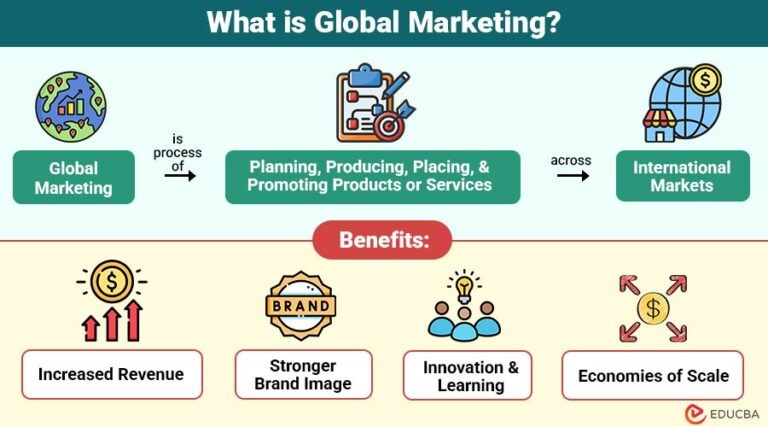
Global marketing meaning in English encompasses the strategies and practices used by businesses to promote their products and services across international borders. In today's interconnected world, understanding global marketing is essential for companies looking to expand their reach and connect with diverse audiences.

This approach to marketing goes beyond traditional domestic strategies, requiring an awareness of cultural differences, digital advancements, and legal considerations. By examining the various types of global marketing strategies and their implications, businesses can effectively navigate the complexities of international markets.

Understanding Global Marketing

Global marketing is a critical component of the modern business landscape, where companies aim to sell their products and services across international borders. The significance of global marketing lies in its ability to tap into new markets, diversify risk, and maximize profit potential. In an increasingly interconnected world, businesses must recognize that consumer preferences, competition, and market dynamics can vary significantly from one region to another.One of the key elements that differentiates global marketing from domestic marketing is the consideration of a diverse range of factors, such as cultural nuances, economic conditions, and regulatory environments.

While domestic marketing primarily focuses on a single market, global marketing requires a broader approach that accommodates various consumer behaviors and market trends. Companies often employ various global marketing strategies, including market entry strategies, branding approaches, and promotional tactics tailored to different regions.

Global Marketing Strategies

There are several strategies businesses can employ in global marketing, which can generally be categorized into two main approaches: standardization and adaptation. Standardization involves using a uniform marketing strategy across different markets, while adaptation tailors the marketing mix to suit local tastes and preferences.

  • Standardization: This approach allows companies to maintain a consistent brand image and messaging globally. For example, Coca-Cola utilizes standardized branding and advertising across many countries, ensuring that its core message remains the same.
  • Adaptation: On the other hand, McDonald's is known for adapting its menu according to local cultures and preferences. In India, for instance, the menu features vegetarian options to cater to cultural dietary restrictions.

Market research plays a vital role in developing effective global marketing strategies. Companies must understand local consumer behavior, cultural norms, and competitive landscapes through thorough research. This process involves analyzing market trends, surveying potential customers, and studying local competitors to create targeted marketing campaigns.

Cultural Considerations in Global Marketing

Cultural differences have a significant impact on global marketing campaigns. Understanding local customs, values, and languages is crucial for crafting messages that resonate with target audiences. A campaign that is successful in one country may fail in another due to cultural misunderstandings.For instance, the infamous launch of the Chevrolet Nova in Latin America is a classic case of a cultural faux pas.

The name "Nova" translates to "doesn't go" in Spanish, which contributed to its poor sales in the region. In contrast, companies like Dove have successfully launched campaigns that celebrate diversity and inclusivity, resonating well with global audiences.To effectively incorporate cultural elements into global marketing efforts, businesses should invest in cultural research, which involves studying local traditions, social norms, and consumer preferences.

Engaging local experts and conducting focus groups can provide invaluable insights that enhance marketing effectiveness.

Digital Transformation in Global Marketing

Global Marketing Explained | PDF

Digital technology has revolutionized global marketing practices, enabling businesses to reach a wider audience than ever before. Social media platforms, search engines, and content marketing have become essential tools for engaging customers across the globe.The importance of social media in reaching global audiences cannot be overstated. Platforms like Facebook, Instagram, and Twitter provide businesses with a direct line of communication to consumers, facilitating real-time engagement.

Content marketing, through blogs and videos, helps brands tell their story and connect with audiences on a personal level.Tools such as Google Analytics and social media management software allow companies to track performance, adjust strategies, and optimize their marketing efforts. These technologies enable data-driven decision-making, ensuring that marketing campaigns are both effective and efficient.

Legal and Ethical Considerations

Entering foreign markets comes with various legal challenges that companies must navigate. Regulatory compliance, intellectual property protection, and trade laws are just a few of the complexities businesses face when expanding internationally. Understanding the legal framework in different countries is essential to avoid costly penalties and ensure smooth operations.Ethical issues can also arise in global marketing. Companies may face scrutiny over labor practices, environmental sustainability, and cultural appropriation.

For example, the backlash faced by fashion brands accused of cultural appropriation highlights the importance of sensitivity to cultural contexts.Best practices for ensuring compliance with international marketing regulations involve thorough research on local laws and working with legal experts familiar with the specific markets. Developing a robust ethical framework that aligns with corporate values can also help guide decision-making in global marketing efforts.

Measuring Success in Global Marketing

Key performance indicators (KPIs) are essential for evaluating the effectiveness of global marketing campaigns. Metrics such as market share, customer acquisition cost, and return on investment (ROI) provide insights into campaign performance.To assess the impact of marketing efforts, businesses should create a framework that Artikels specific goals and benchmarks. This framework could include tracking sales growth, customer engagement levels, and brand awareness metrics.Methods for conducting market analysis and measuring ROI in international contexts involve leveraging data analytics tools, conducting surveys, and analyzing sales performance across different regions.

By understanding which strategies yield the best results, companies can refine their global marketing approaches for greater success.

Outcome Summary

In summary, grasping the global marketing meaning in English allows businesses to harness the power of international markets. By integrating cultural insights, leveraging digital tools, and adhering to ethical standards, companies can craft marketing campaigns that resonate globally, ensuring success in their endeavors.

Top FAQs

What is the difference between global and domestic marketing?

Global marketing focuses on international markets and requires strategies that consider cultural differences, while domestic marketing is limited to local markets.

How does culture affect global marketing?

Cultural differences can impact consumer preferences and behaviors, making it crucial for marketers to tailor their campaigns to fit local customs and values.

What are some common global marketing strategies?

Common strategies include standardization, where a uniform marketing approach is used, and adaptation, where marketing is tailored to meet local tastes and preferences.

Why is digital transformation important for global marketing?

Digital transformation enhances reach and engagement with global audiences, making social media and online content crucial for successful marketing efforts.

What are key performance indicators (KPIs) in global marketing?

KPIs in global marketing may include metrics like market share, customer acquisition costs, and return on investment (ROI) specific to international campaigns.